
First-Day Jitters Are More Than Nerves: Why Sensory Supports Matter From Day One
Discover how proactive sensory supports, movement breaks, and sensory paths can help students manage first-day jitters, regulate, and get ready to learn.
The first day of school is exciting.
New backpacks. Freshly sharpened pencils. New teachers. Seeing friends again.
But for many students, the first days of school can also feel like a lot.
New classrooms. Different routines. Unfamiliar expectations. Crowded hallways. Bells ringing. Chairs scraping. More sitting. More listening. More transitions. And after a summer with a very different schedule, suddenly being expected to regulate through an entire school day again.
We often call it "first-day jitters."
But sometimes what looks like nervousness, excessive energy, silliness, avoidance, tears, difficulty listening, or even challenging behavior is also a child trying to manage all of the sensory and emotional demands that come with returning to school.
As a school-based occupational therapist, that's why I believe one of the best things we can do at the beginning of the year is simple:
Don't wait for students to struggle before giving them tools to regulate.
The First Day Is a Sensory Experience
Think about walking into school from a child's perspective.
The hallway may be louder than they've experienced all summer.
There are people everywhere.
They're trying to remember where to put their backpack, where to sit, when they're allowed to talk, where they're supposed to walk, what happens next — and perhaps even how to open that brand-new lunch container someone bought them.
For younger students, it may be their first time spending an entire day away from home.
For older students, there may be new classrooms, changing classes, increased academic expectations, new social situations, and less downtime.
And underneath all of that, their bodies are processing an enormous amount of sensory information.
That's a lot of work before the academics even begin.
First-Day Jitters Don't Look the Same in Every Child
The student who is overwhelmed isn't always the child crying at the classroom door.
It might be the child who:
Can't stop moving in his chair.
Suddenly needs to sharpen his pencil for the fourth time.
Becomes extra silly during transitions.
Covers her ears in a noisy hallway.
Has difficulty getting started on an assignment.
Melts down over something seemingly small.
Asks to go to the bathroom repeatedly.
Withdraws and becomes unusually quiet.
Has difficulty keeping hands to himself in line.
Seems completely fine at school — and falls apart the moment he gets home.
These behaviors don't automatically mean a child has a sensory processing difficulty.
Sometimes they simply mean:
This is a lot for my body right now.
And that's where proactive supports can make such a difference.
What If We Supported Regulation Before the Struggle?
We tend to think about sensory strategies reactively.
A student becomes overwhelmed, so we give them a break.
A child can't sit still, so we send them to move.
A student is upset, so we suggest taking deep breaths.
Those strategies can certainly be helpful.
But what if we shifted the timing?
What if the movement came before the long period of sitting?
What if the calming activity happened before the difficult transition?
What if students learned where and how to reset before they were already dysregulated?
That's the power of being proactive.
Instead of asking only:
"What should we do when this child is struggling?"
We can also ask:
"What can we put in place so this child is less likely to get there?"
Proactive Doesn't Have to Mean Complicated
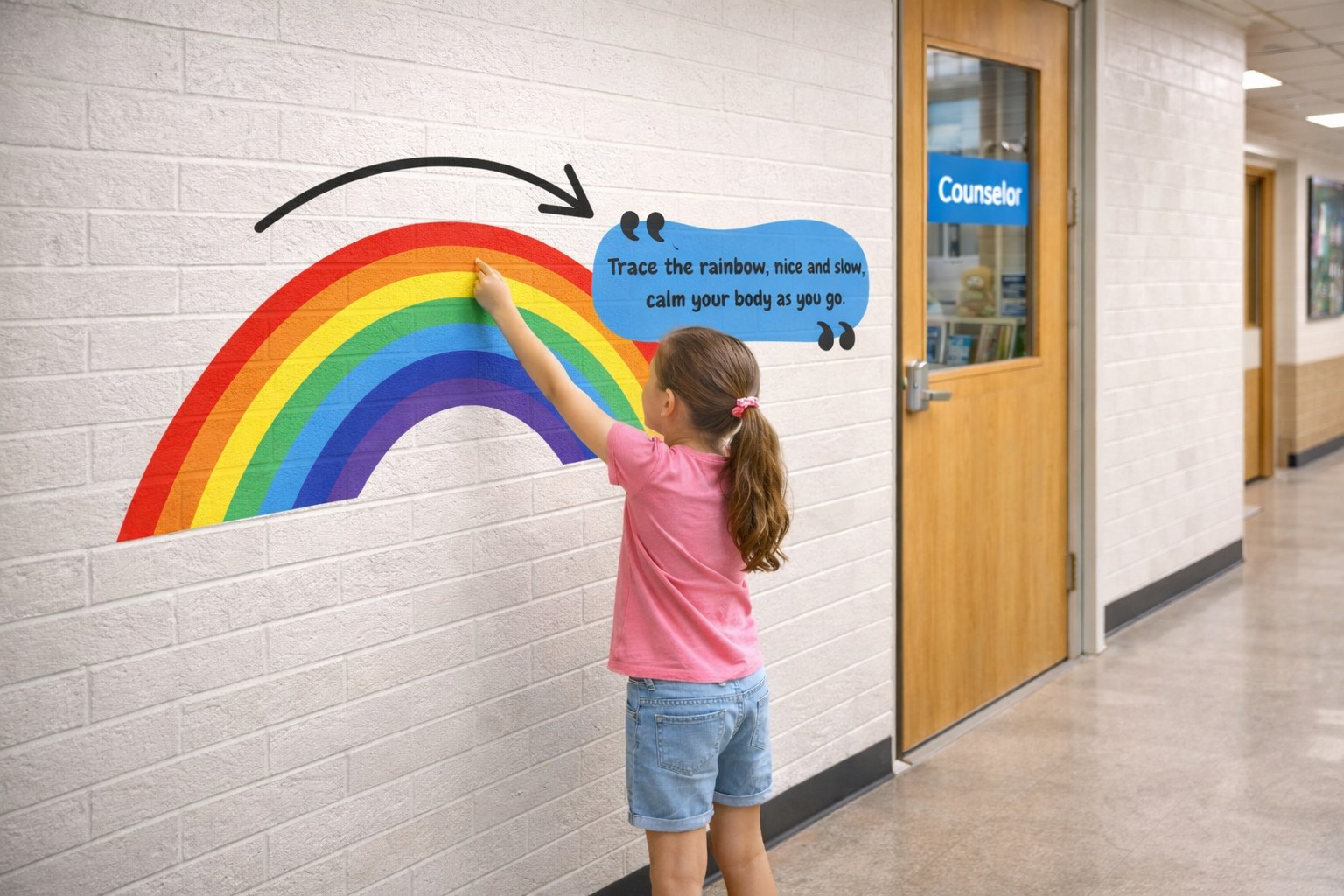
Supporting sensory and regulation needs doesn't require every school to build a sensory room.
It doesn't have to mean creating an elaborate schedule of sensory breaks.
And it certainly doesn't have to add another complicated program to a teacher's already-full plate.
Sometimes small changes are enough.
A few minutes of movement before morning work.
A calming activity outside the classroom.
A movement station students can use during a hallway transition.
A quiet reset space in the corner of a classroom.
A portable sensory path that can be rolled out when needed and shared between spaces.
A breathing activity before a test.
A whole-class movement break after prolonged sitting.
Start small.
The goal isn't to create more for teachers to manage.
It's to build regulation opportunities into things students are already doing.
Movement Isn't Taking Away From Learning
Especially during the first weeks of school, there can be pressure to establish routines and get students academically engaged as quickly as possible.
But movement doesn't have to compete with learning.
For many students, purposeful movement can help them become more ready for what comes next.
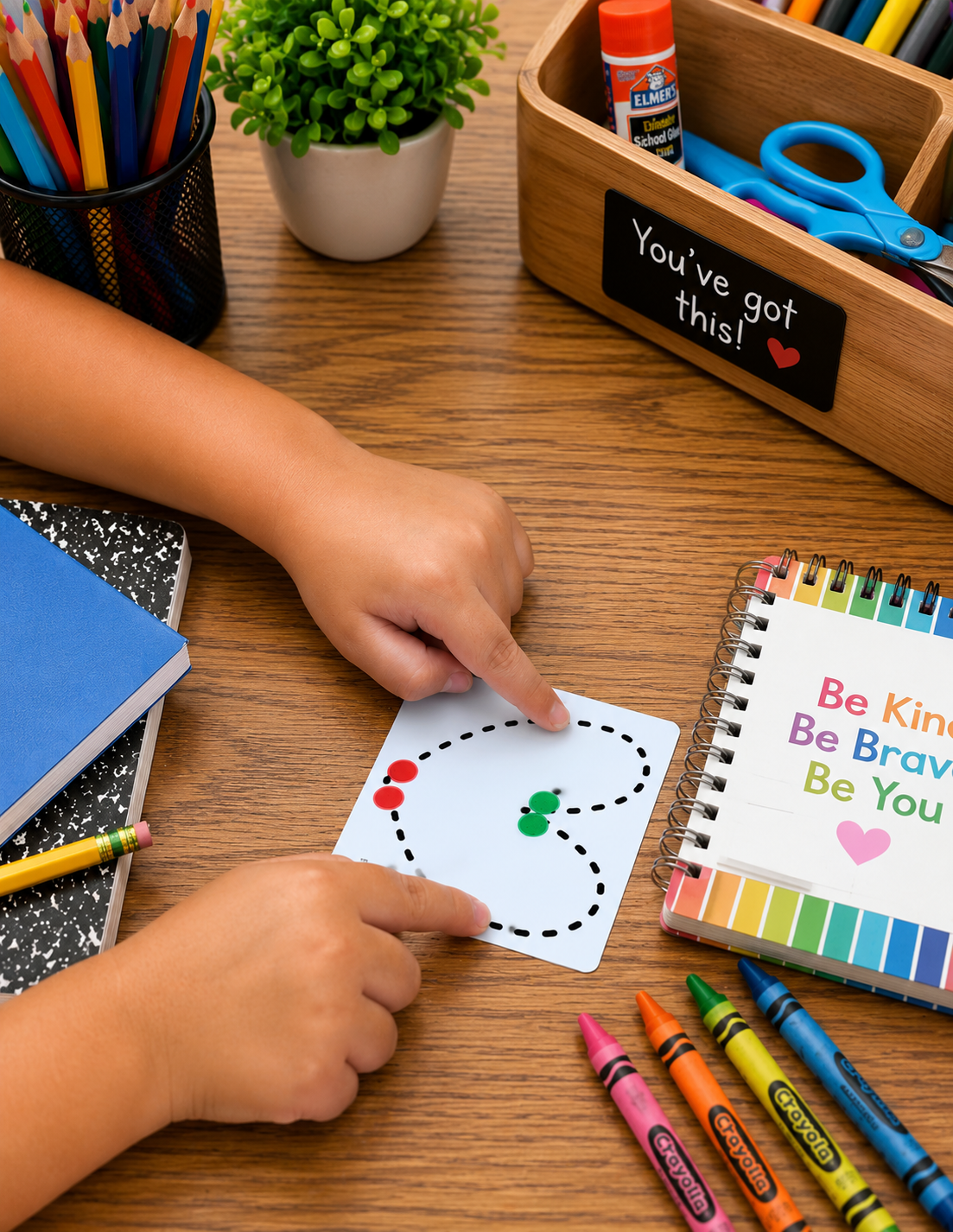
When a child has an appropriate opportunity to move, reset, breathe, push, stretch, march, balance, or simply step away for a moment, we're giving their body another tool for regulation.
And when the body is more regulated, participating in classroom expectations may become easier.
That's why I don't view movement and sensory supports as something separate from the school day.
They're one way we help prepare students for the school day.
Teach the Tools Before They're Needed
The beginning of the year is also the perfect time to introduce sensory and regulation resources.
Don't wait until a student is upset to show them a calming space for the first time.
Don't introduce a sensory path only after someone is having difficulty.
Teach students what the resources are, how to use them, and when they might help.
Let the whole class practice.
Normalize taking a breath.
Normalize movement.
Normalize recognizing when your body needs something.
When these supports are simply part of the school environment, using them doesn't have to feel like a punishment or something reserved for "the kid who is struggling."
It becomes another tool available to students.
A Different Way to Prepare for Day One
We spend so much time preparing our schools for the first day.
Bulletin boards are ready.
Name tags are on desks.
Lesson plans are written.
Supplies are organized.
Hallways look beautiful.
But as you're walking through your school before those doors open, consider adding one more question to your checklist:
Where can our students go — or what can they do — when their bodies need to move, calm, or reset?
You may already have the perfect space.
And it might only take one small addition to make it useful.
Try This Tomorrow
Walk through your students' first day from their perspective.
Where will they wait?
Where will it be loud?
When will they be expected to sit for a longer period?
Which transitions might feel overwhelming?
When will there be lots of directions, people, noise, or stimulation happening at once?
Now choose one of those moments.
Ask yourself:
"What could we put in place five minutes earlier?"
Maybe it's two minutes of movement.
Maybe it's a breathing exercise.
Maybe it's a visual reminder.
Maybe it's a sensory activity students pass on their way back to class.
Start with one proactive support and see what happens.
Because sometimes the best time to help a student regulate is before they need help regulating.
Want to Learn More?
Sacred Steps Sensory Paths were created by a school-based occupational therapist to help schools incorporate purposeful movement and regulation into the spaces and routines they already have.
Schools don't need a sensory room — or even a large hallway — to get started.
You can begin with one individual activity, a calming space, a Starter Set, a portable sensory path, or a full hallway path.
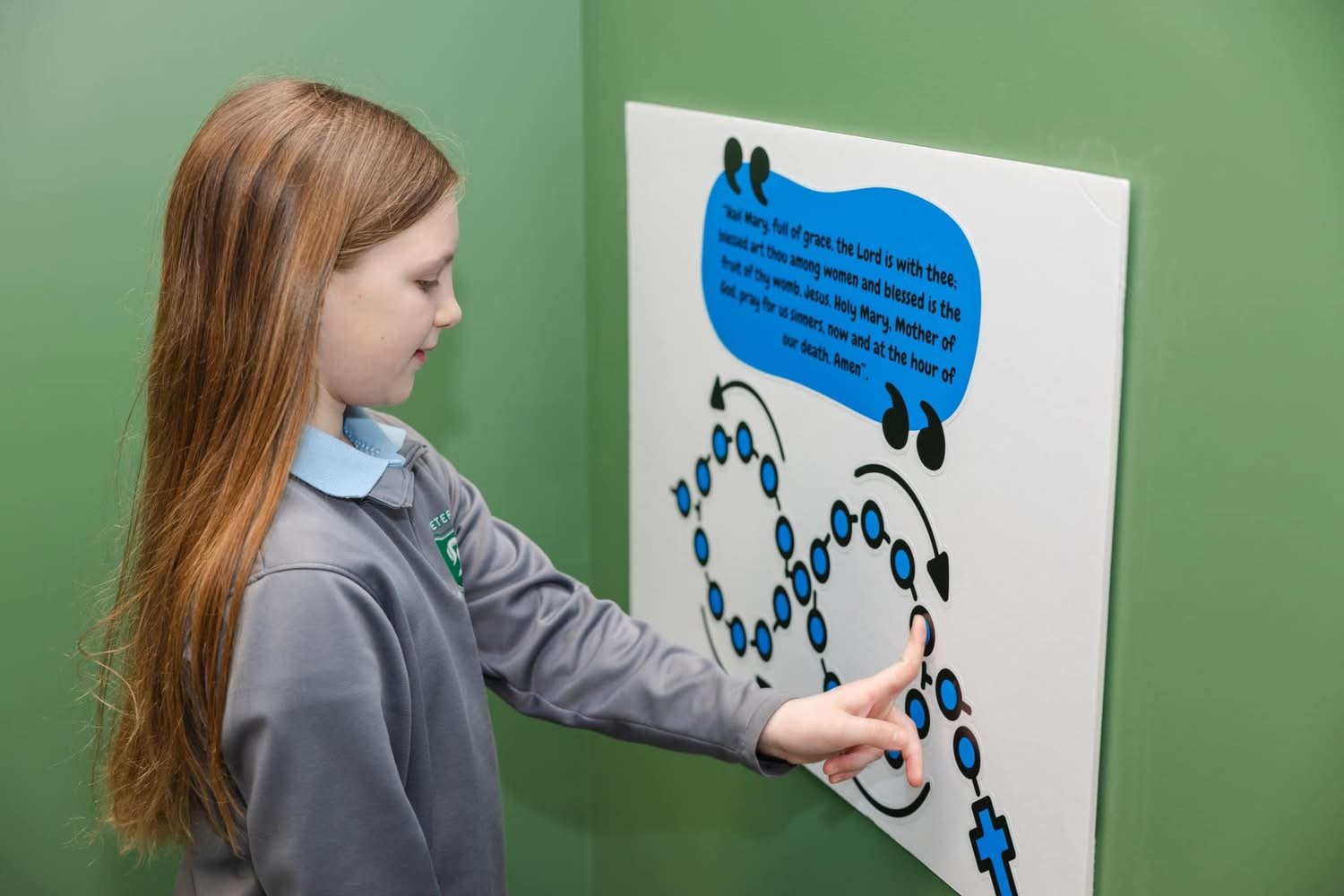
Sacred Steps offers both universal school resources and OT-designed faith-based sensory paths, allowing Catholic and Christian schools to combine purposeful movement and regulation with messages that reinforce their faith throughout the school day.
Products are commercially printed using durable, professional-grade materials designed for school environments, with floor, wall, and portable options available.
Whether you're preparing for the very first day or realizing a few weeks into the year that your students need additional support, you don't have to change everything at once.
Start with one need.
Start with one space.
Start with one purposeful step.
About the Author
Trisha Klausing is a school-based occupational therapist with more than 10 years of experience and the creator of Sacred Steps Sensory Paths. After seeing firsthand how movement and regulation impact students' ability to participate successfully in the school day, she created Sacred Steps to provide schools with purposeful, professionally designed sensory resources — including faith-based options that allow Christian and Catholic schools to support the whole child while reinforcing their faith.
Is Your School Hallway Working Hard Enough?
Learn how school hallways can support student regulation, movement, transitions, and readiness to learn. Plus, download a free Principal’s Hallway Checklist.
A 5-Minute Hallway Check From a School-Based Occupational Therapist
When we think about preparing a school environment for students, we tend to focus on classrooms.
We arrange desks. We organize materials. We create calm-down spaces. We think about lighting, seating, visual supports, and classroom routines.
But there's another space students use every single day that we don't always think about in the same way:
The hallway.
As a school-based occupational therapist, I spend a lot of time thinking about how the environment affects a student's ability to regulate, transition, participate, and learn.
And hallways are part of that environment.
Students may walk through them dozens of times each day. They transition from preferred activities to non-preferred activities there. They navigate noise, other students, visual stimulation, schedule changes, and expectations—all while being asked to keep their bodies regulated.
So here's a question worth asking:
Is your hallway simply getting students from Point A to Point B—or could it be doing more?
Take a 5-Minute Walk Through Your School
I created a simple Principal's Hallway Checklist to help school leaders look at their hallways through a slightly different lens.
You don't need a formal assessment.
You don't need an OT walking beside you.
Just take five minutes and walk through your building while thinking about a few key areas.
1. Look at the visual environment.
Stand at one end of your hallway and simply look.
Does the space feel organized—or overwhelming?
Can students easily identify important signs and visual cues?
Are bulletin boards and displays intentional, or is every available inch competing for their attention?
For many students, especially those who are easily distracted or overwhelmed by visual input, more isn't always better.
Sometimes creating a more supportive environment starts with deciding what doesn't need to be there.
2. Look for opportunities to move.
We often treat movement as something that happens at recess, in physical education, or during a designated classroom movement break.
But movement doesn't have to be separate from the school day.
It can be built into it.
Could an unused stretch of hallway give students an opportunity to jump, balance, reach, breathe, cross midline, or complete a quick sequence of purposeful movements?
Could a student use that space for a two-minute regulation break and then return to class?
Could movement be used proactively, rather than waiting until a child is already dysregulated?
That's one of the biggest shifts I encourage schools to consider.
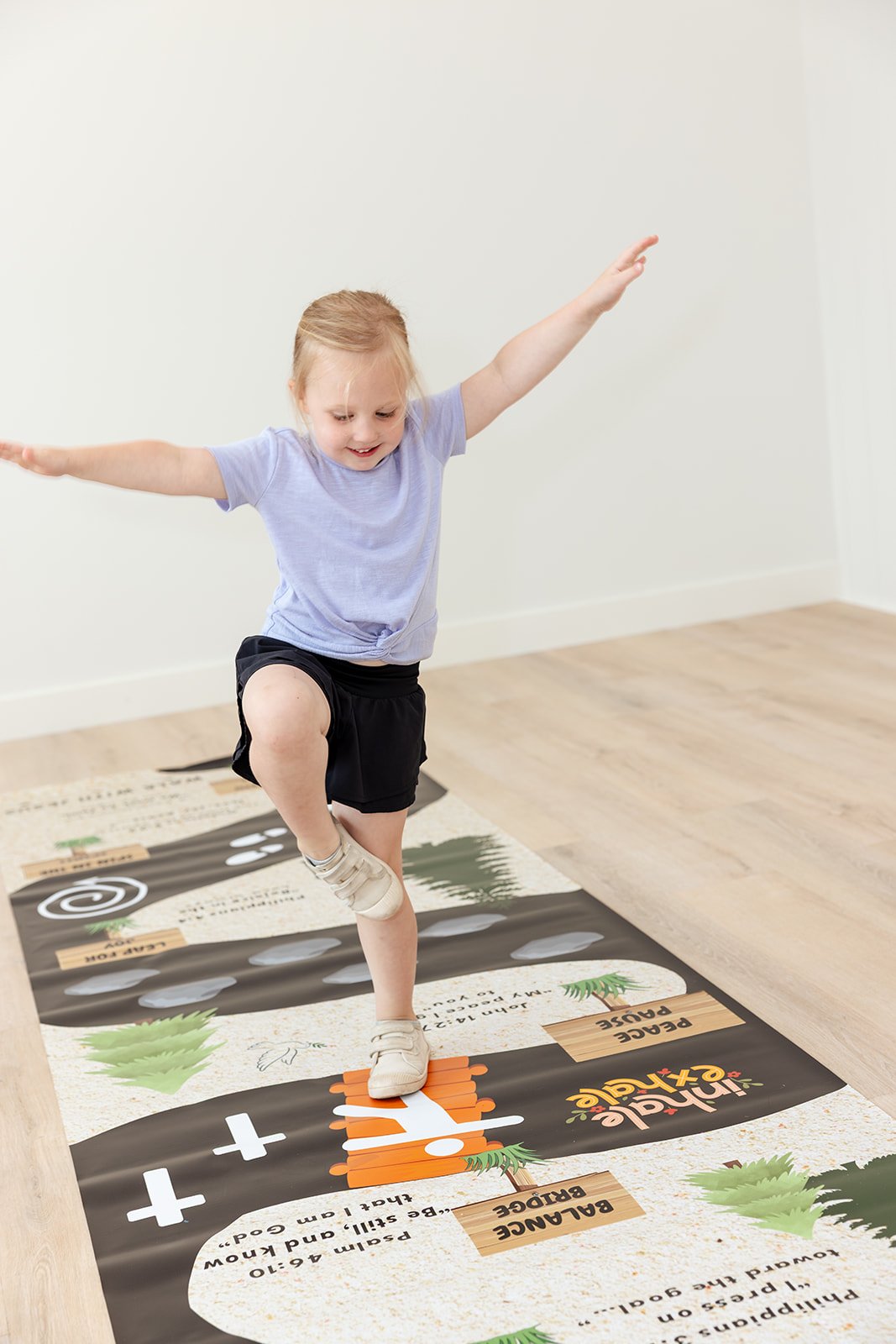
3. Pay attention to transitions.
For some students, transitions are easy.
For others, they're one of the hardest parts of the school day.
Leaving a preferred classroom, navigating a busy hallway, remembering where to go next, managing peers and noise, and preparing for an entirely different set of expectations requires a surprising amount of regulation and executive functioning.
As you walk your hallways, ask:
What support is available for the child who struggles here?
It might be a visual cue.
It might be a predictable movement opportunity.
It might be a calming strategy.
Sometimes a relatively small environmental support can make a difficult transition more manageable.
4. Ask whether your hallway helps students return ready to learn.
This is one of my favorite questions.
Instead of thinking only about hallway behavior—Are students quiet? Are they walking? Are they following expectations?—consider what happens after the hallway.
Does the environment help students arrive at their next destination ready to participate?
Purposeful movement can provide opportunities to work on body awareness, coordination, balance, motor planning, regulation, and attention.
A hallway can also reinforce skills we want students to carry back into the classroom:
Confidence.
Patience.
Perseverance.
Kindness.
Leadership.
A hallway doesn't have to be wasted space.
5. Look at the space you already have.
This may be the most practical part of the entire exercise.
Look for:
An empty wall.
An unused corner.
A long stretch of hallway.
A small space outside a counseling office.
An area near the intervention room.
A spot where a portable activity could be rolled out when needed.
You don't necessarily need a dedicated sensory room—or a large budget—to create another opportunity for regulation in your school.
Start with the space you already have.
For Catholic Schools: Look Through One More Lens
In a Catholic school, I would add another question to the hallway walk:
Does our Catholic identity extend beyond our classrooms?
Catholic education has a unique opportunity to surround students with reminders of who they are and Whose they are throughout the entire school day.
Faith formation doesn't have to stop when students leave religion class.
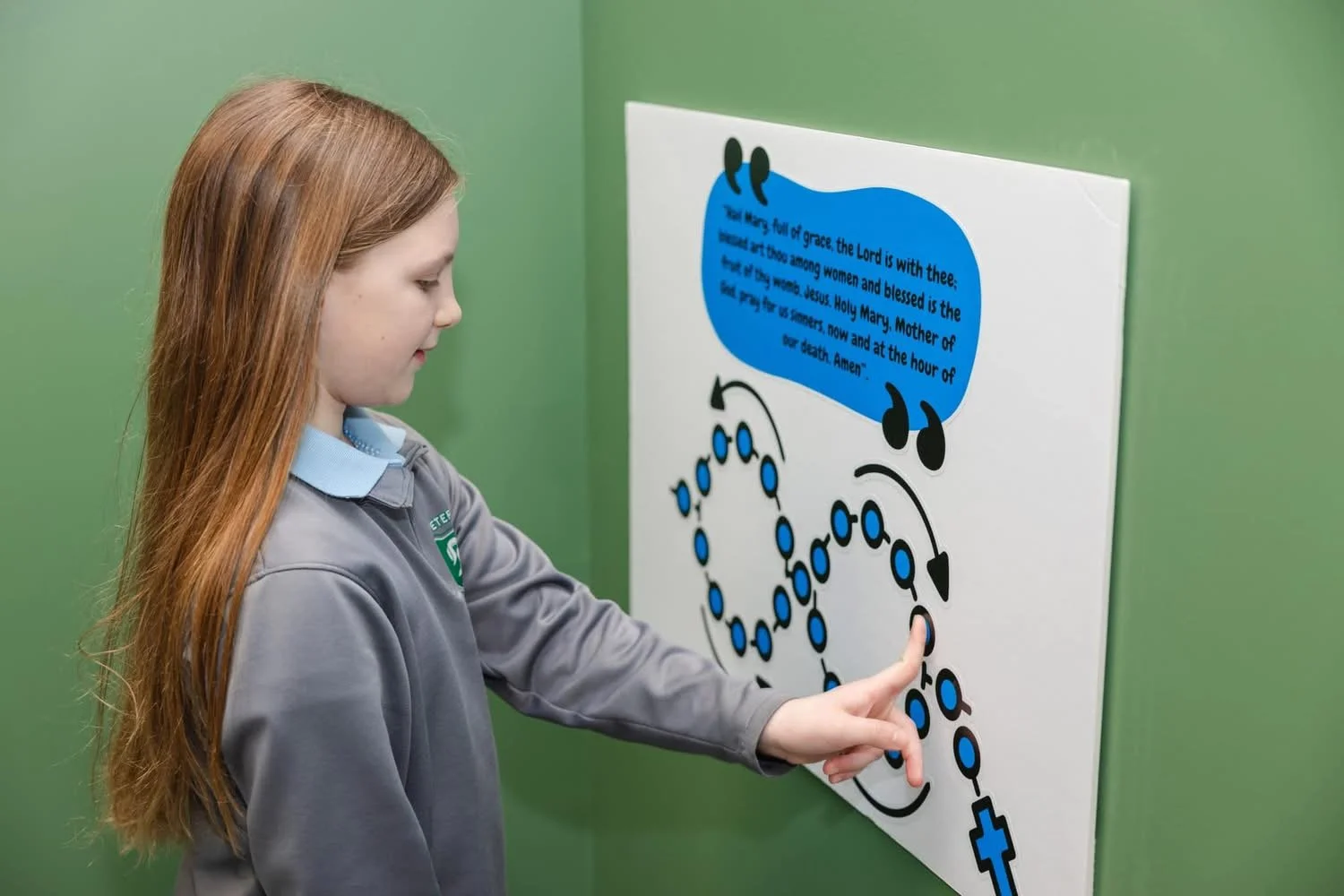
Our hallways and shared spaces can reinforce Scripture, prayer, virtues, Sacraments, and reminders of God's presence.
And our sensory and regulation supports don't have to be separate from that mission either.
We can support the body, mind, AND spirit.
That's one of the reasons I created Sacred Steps in the first place. I wanted Catholic schools to have access to purposeful movement and regulation supports without having to separate those supports from their Catholic identity.
Try This Tomorrow
Take five minutes and walk one hallway in your school.
Don't walk it as an administrator thinking about schedules, supervision, or maintenance.
For five minutes, try to walk it from the perspective of a student.
Ask yourself:
What does this space ask of our students—and what does it give back to them?
Then identify one space that could work a little harder.
That's it.
You don't need to redesign your school.
Start with one hallway. One wall. One corner. One opportunity.
Download the Free Principal's Hallway Checklist
I've turned these questions into a simple printable checklist you can take with you as you walk through your building.
Use it yourself, share it with your leadership team, or walk through the building with your OT, counselor, intervention specialist, or facilities staff.
Catholic school? I've created a Catholic version, too, with an additional section on Faith Throughout the Building.
Want to Learn More?
If your hallway walk leaves you looking at an empty wall or unused stretch of floor and thinking, We could do something with that, I'd be happy to help.
Sacred Steps Sensory Paths offers floor-based, wall-based, and portable movement and regulation supports designed specifically for real school environments.
And you don't need to begin with a full sensory path.
Whether you have $300 or $3,000, we can start with the space and budget you have and determine what could make the greatest impact for your students.
Sometimes transforming a school environment doesn't start with a huge project.
It starts by looking at an ordinary space differently.
About the Author
Trisha Klausing, MOT, OTR/L, is a practicing school-based occupational therapist and founder of Sacred Steps Sensory Paths. Drawing on more than a decade of experience working with students and educators, she creates movement and regulation supports designed for the realities of school environments. Sacred Steps offers both faith-based and universal options to help schools create purposeful opportunities for movement, regulation, confidence, executive functioning, and student success.
No Hallway? No Problem. How Portable Sensory Paths Bring Movement Anywhere
Learn how portable sensory paths help schools bring movement, self-regulation, and executive functioning support to any space—without permanent installation.
As schools prepare for a new year, many educators are looking for simple, effective ways to help students feel calm, focused, and ready to learn.
Sensory paths have become an increasingly popular way to provide purposeful movement throughout the school day. Traditionally, these paths are installed in hallways where students can hop, stretch, balance, and regulate their bodies before entering the classroom.
But what if your school doesn't have a long hallway?
What if you're looking for something that can move from classroom to classroom?
Or perhaps you'd like to introduce movement supports before committing to a permanent installation.
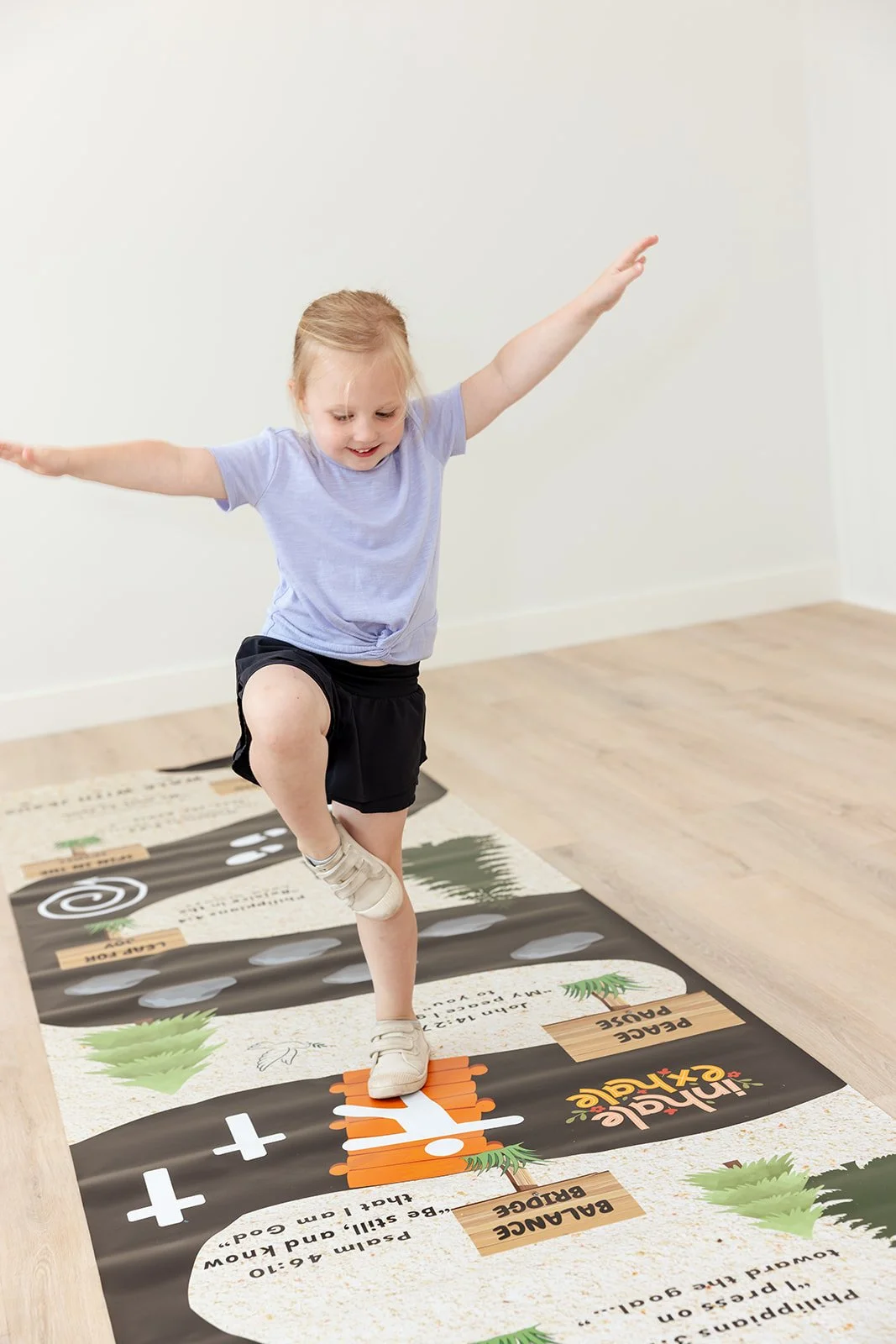
That's exactly why I created portable sensory paths.
Not Every School Has the Perfect Hallway
Permanent hallway sensory paths are wonderful—but they aren't the right fit for every school.
Some schools have narrow hallways.
Some have carpet instead of tile.
Some share facilities with other organizations.
Others simply want the flexibility to move resources throughout the building.
Portable sensory paths make it possible to bring meaningful movement anywhere students need it.
Simply roll them out when needed, then roll them back up for easy storage.
Why Purposeful Movement Matters
As a practicing school-based occupational therapist, I've seen firsthand how movement can change the course of a student's day.
Purposeful movement helps students:
Improve attention and focus
Develop self-regulation skills
Strengthen executive functioning
Prepare their brains for learning
Reduce stress and anxiety
Improve body awareness
Transition more successfully between activities
Build confidence and independence
The beauty of portable paths is that these benefits aren't limited to hallways—they can happen anywhere.
Where Portable Sensory Paths Work
Schools are using portable sensory paths in:
Classrooms
Occupational therapy rooms
Physical therapy spaces
Speech therapy rooms
Counseling offices
Libraries
Resource rooms
Preschool classrooms
Religious education classrooms
Parish centers
Before and after-school programs
Small-group intervention spaces
Because they're portable, one path can support multiple classrooms throughout the day.
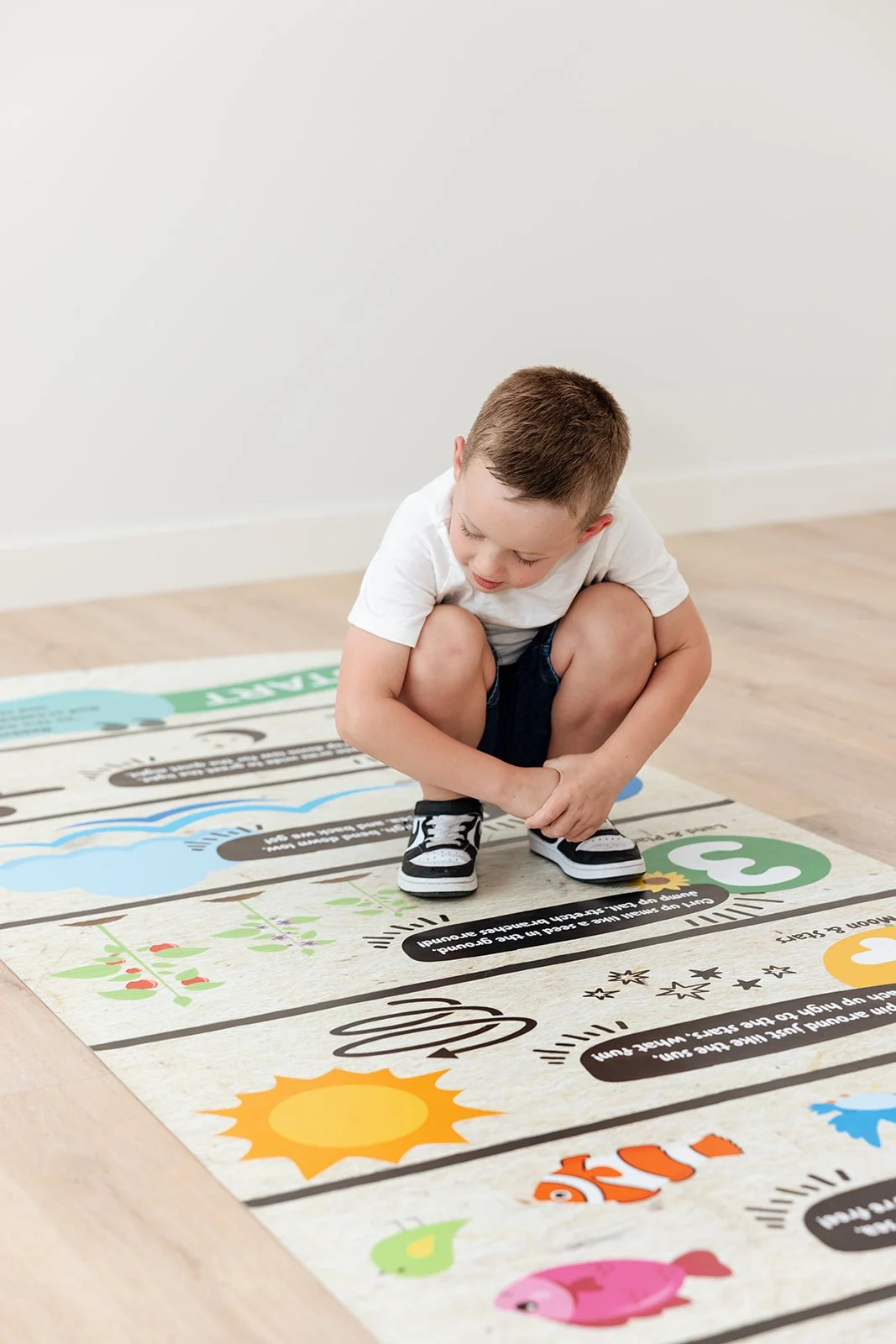
Perfect for Schools That Aren't Ready for Permanent Installation
Portable sensory paths are also a wonderful option for schools that:
Want to try a sensory path before investing in hallway decals
Need movement supports in multiple locations
Have limited wall or floor space
Want movement available during indoor recess
Need flexible intervention tools
Prefer resources that can easily be stored when not in use
Many schools begin with a portable path and later expand into permanent hallway installations as they see the positive impact on students.
Which Portable Path Is Right for Your School?
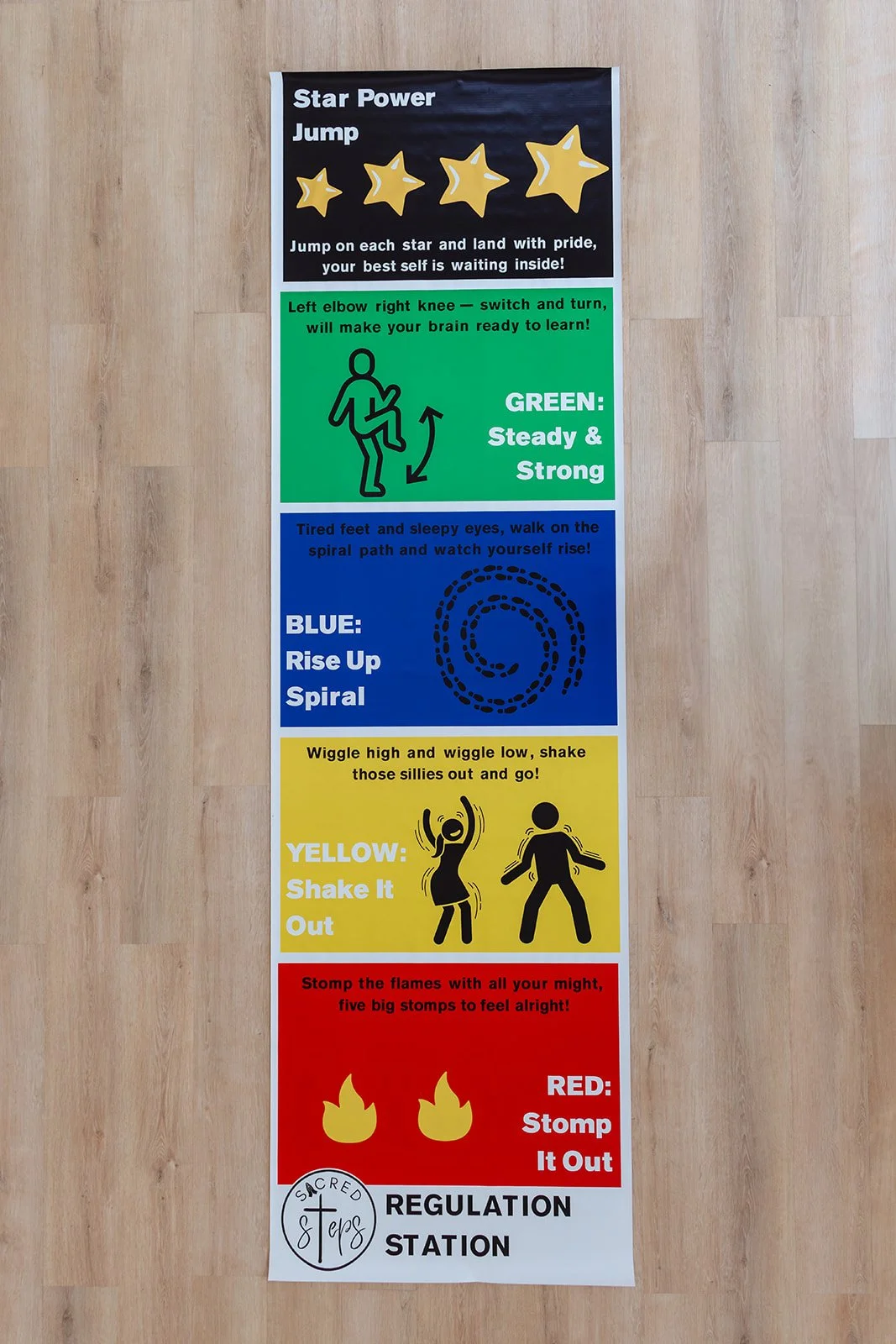
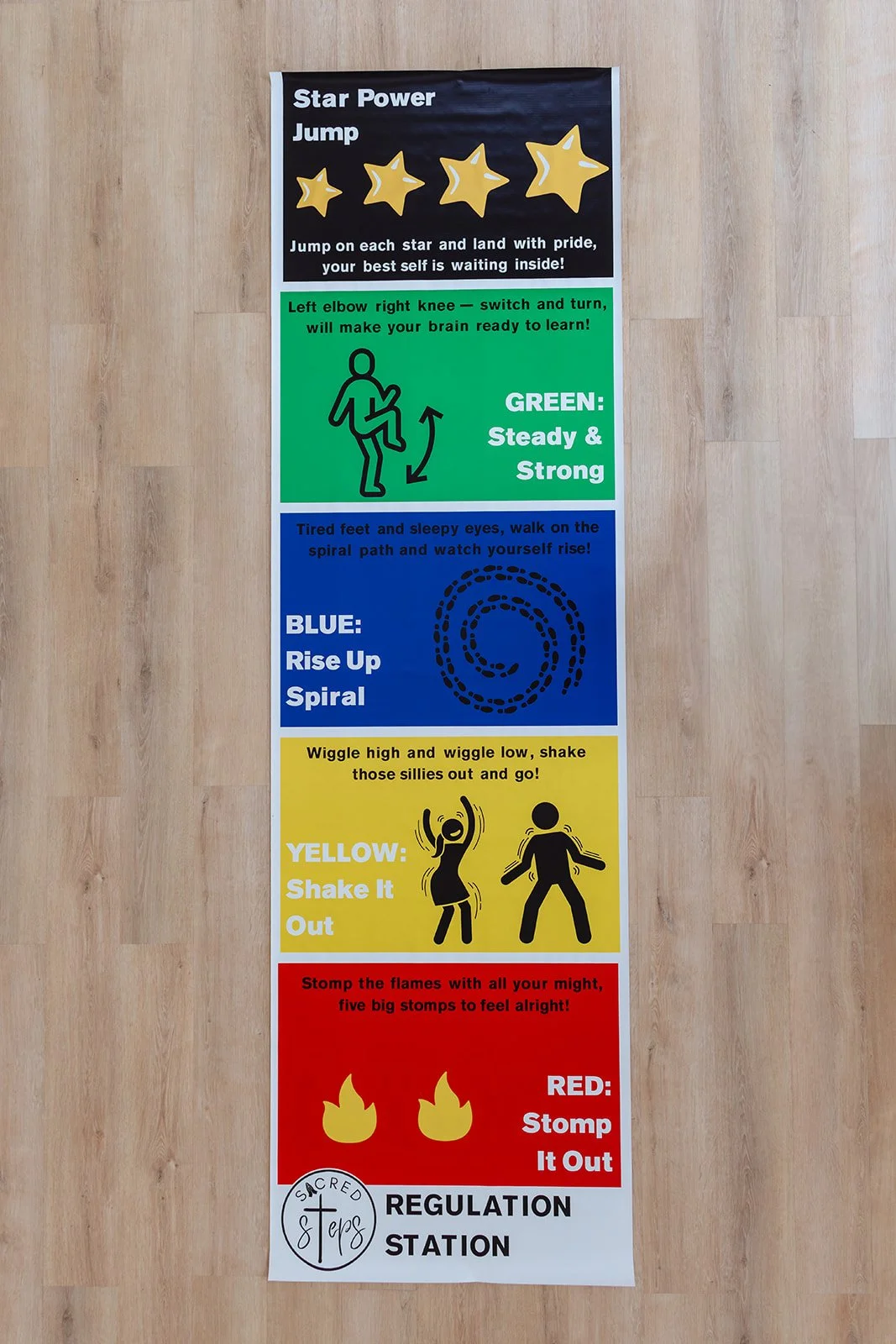
Sacred Steps currently offers six portable sensory paths, each designed to meet different needs while encouraging purposeful movement.
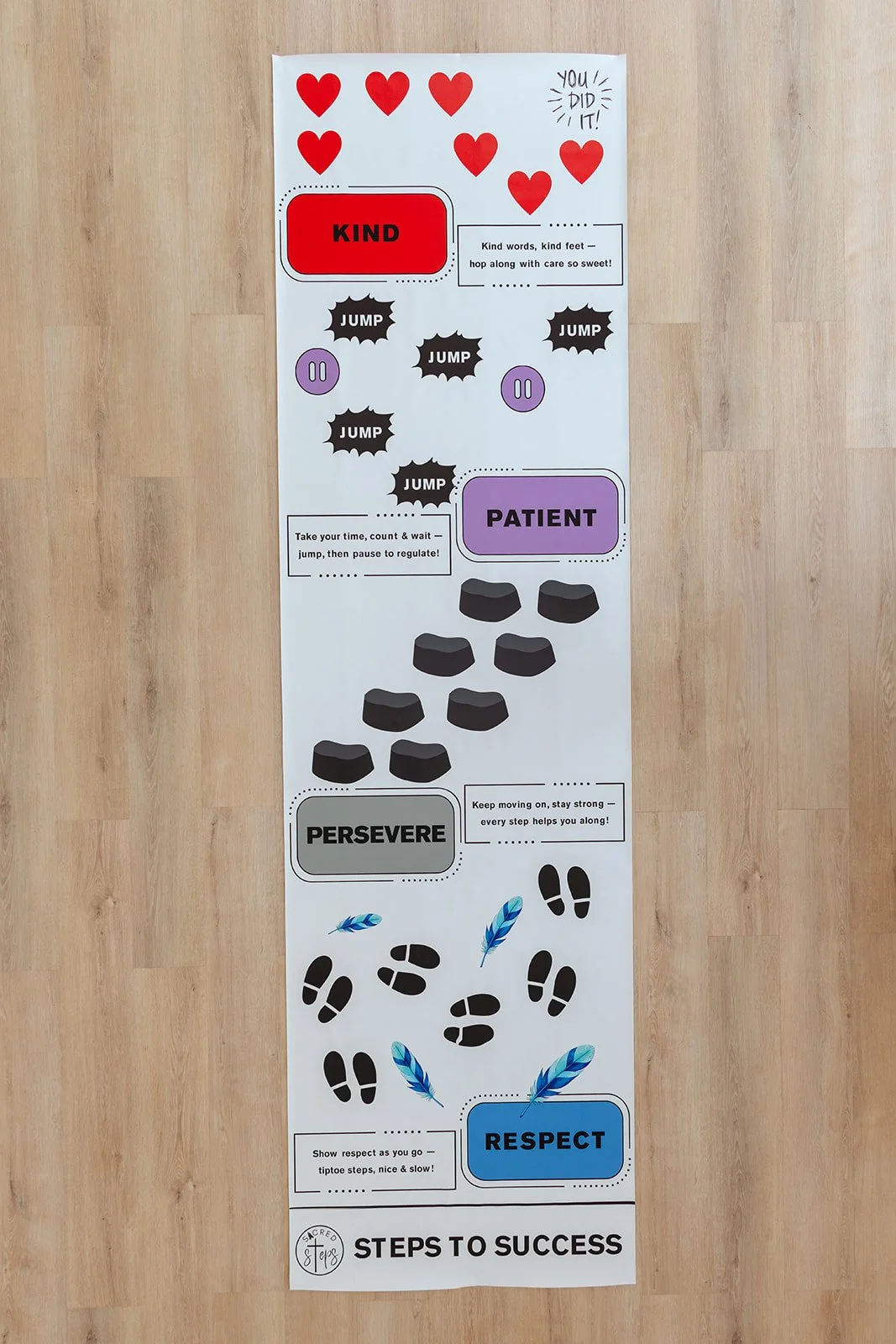
⭐ Steps to Success
A universal social-emotional learning path that reinforces kindness, perseverance, responsibility, honesty, bravery, patience, and other important life skills.
Perfect for:
Public schools
Private schools
Counseling spaces
Intervention programs
Leadership initiatives
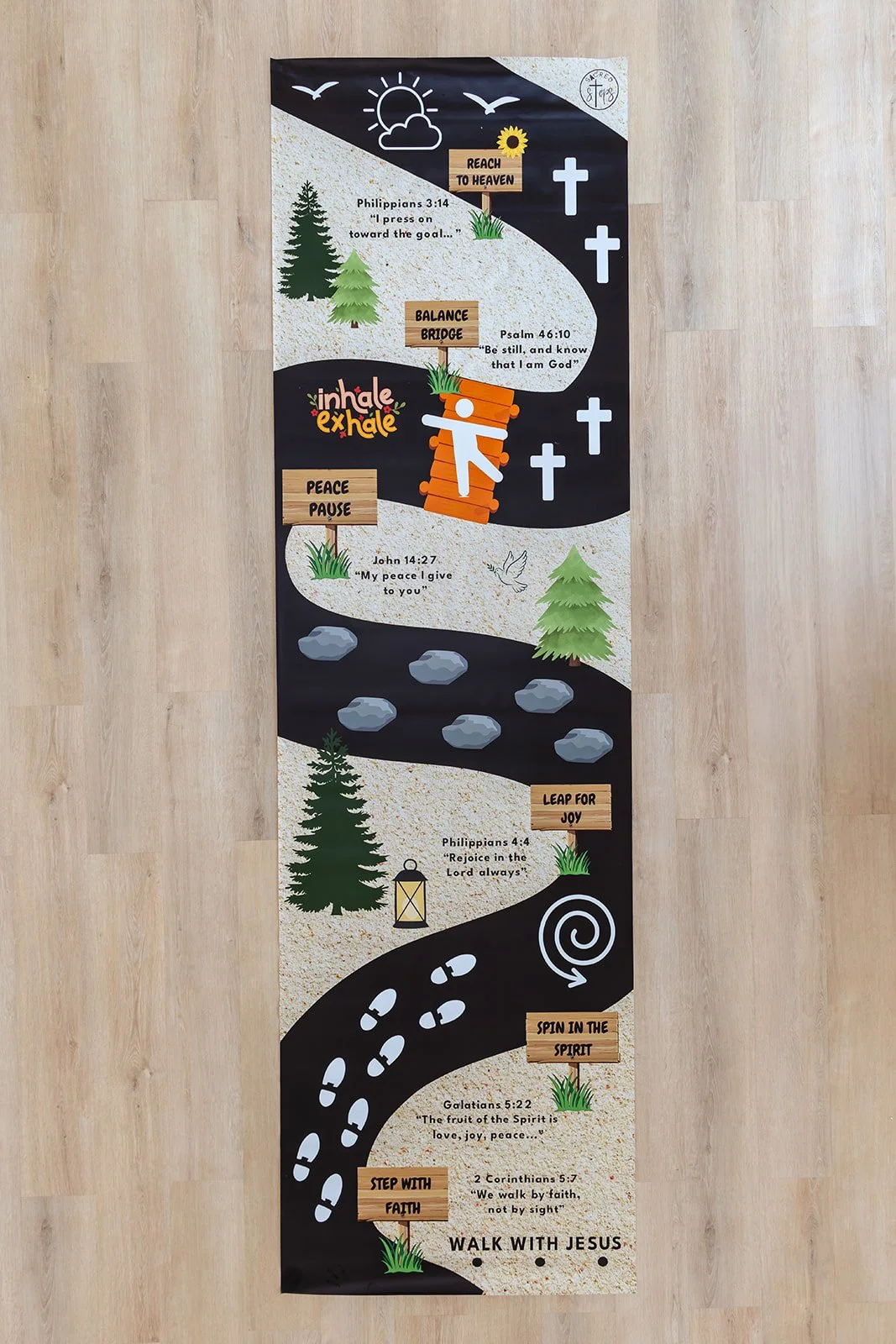
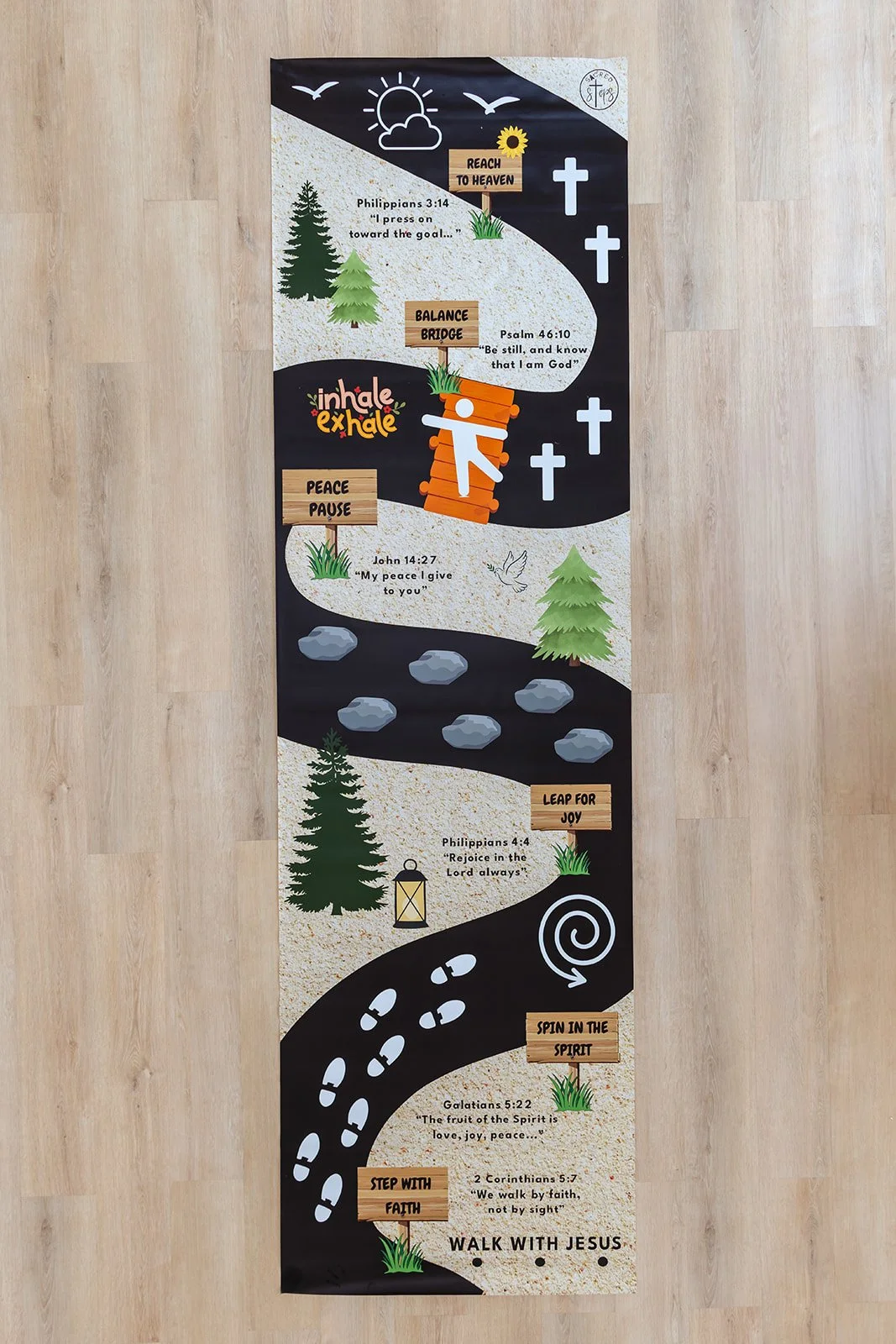
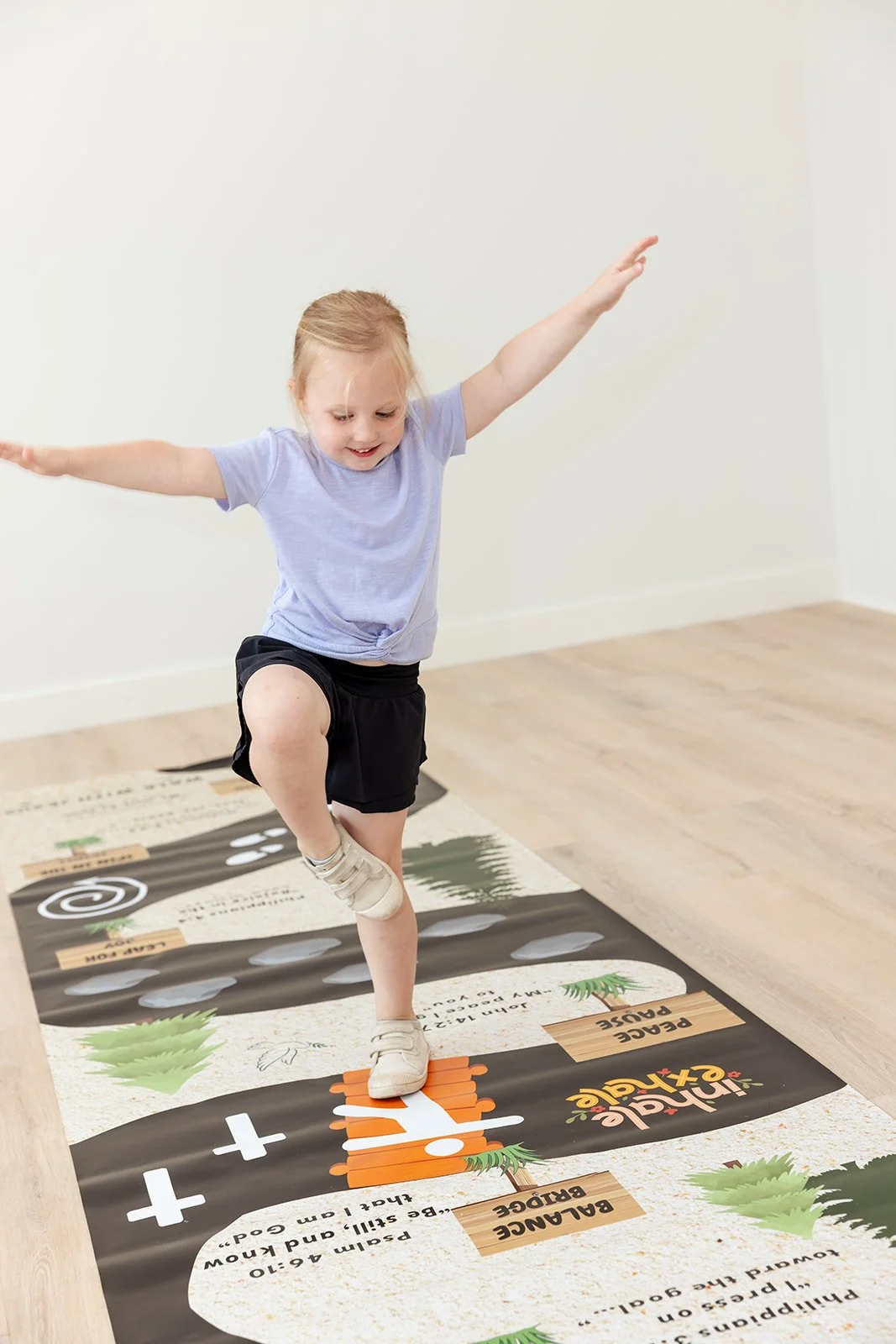
⭐ Walk With Jesus
Students move while reflecting on the life and teachings of Jesus, reinforcing faith formation through purposeful movement.
Perfect for:
Catholic schools
Religious education
Parish programs
Faith formation classrooms
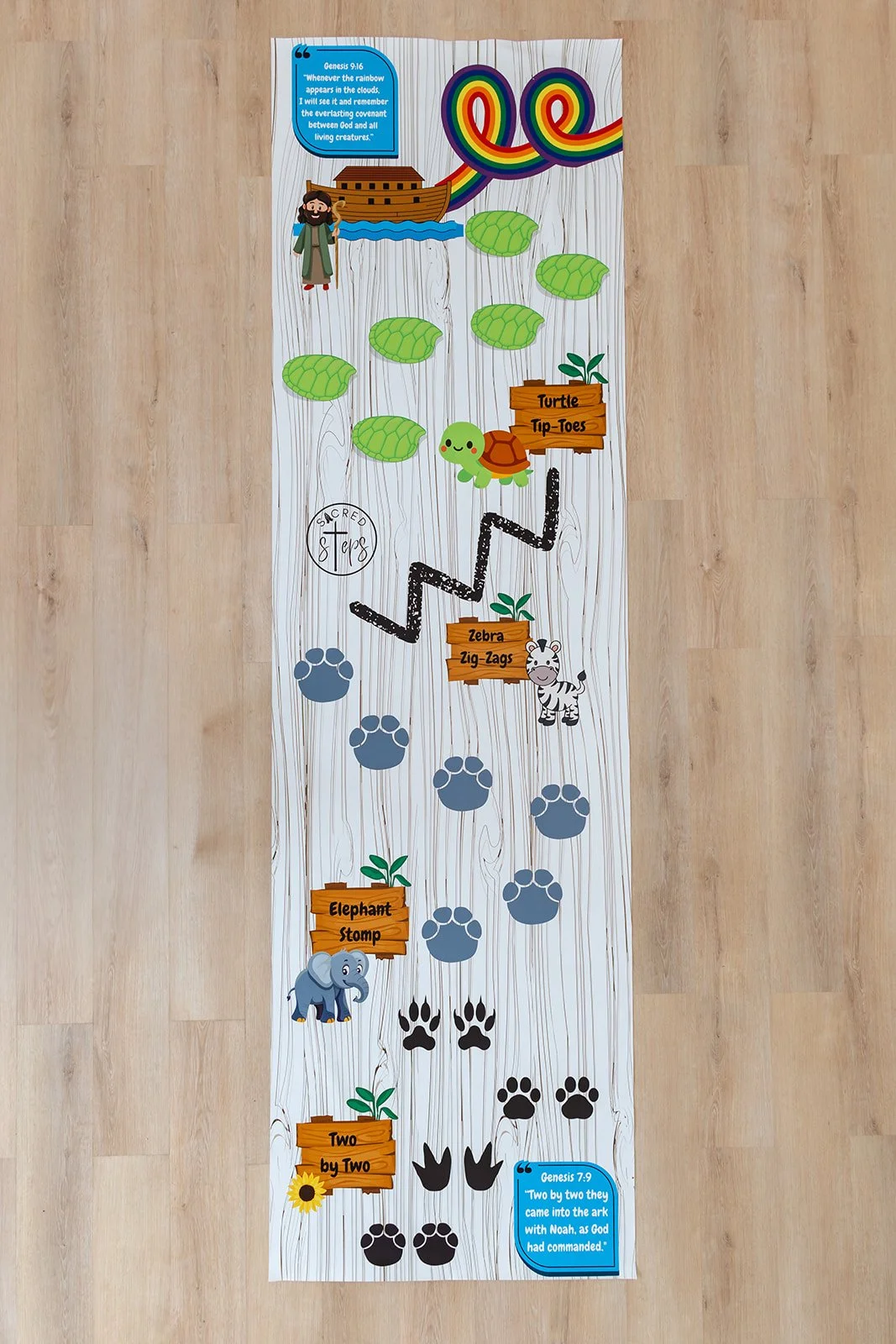
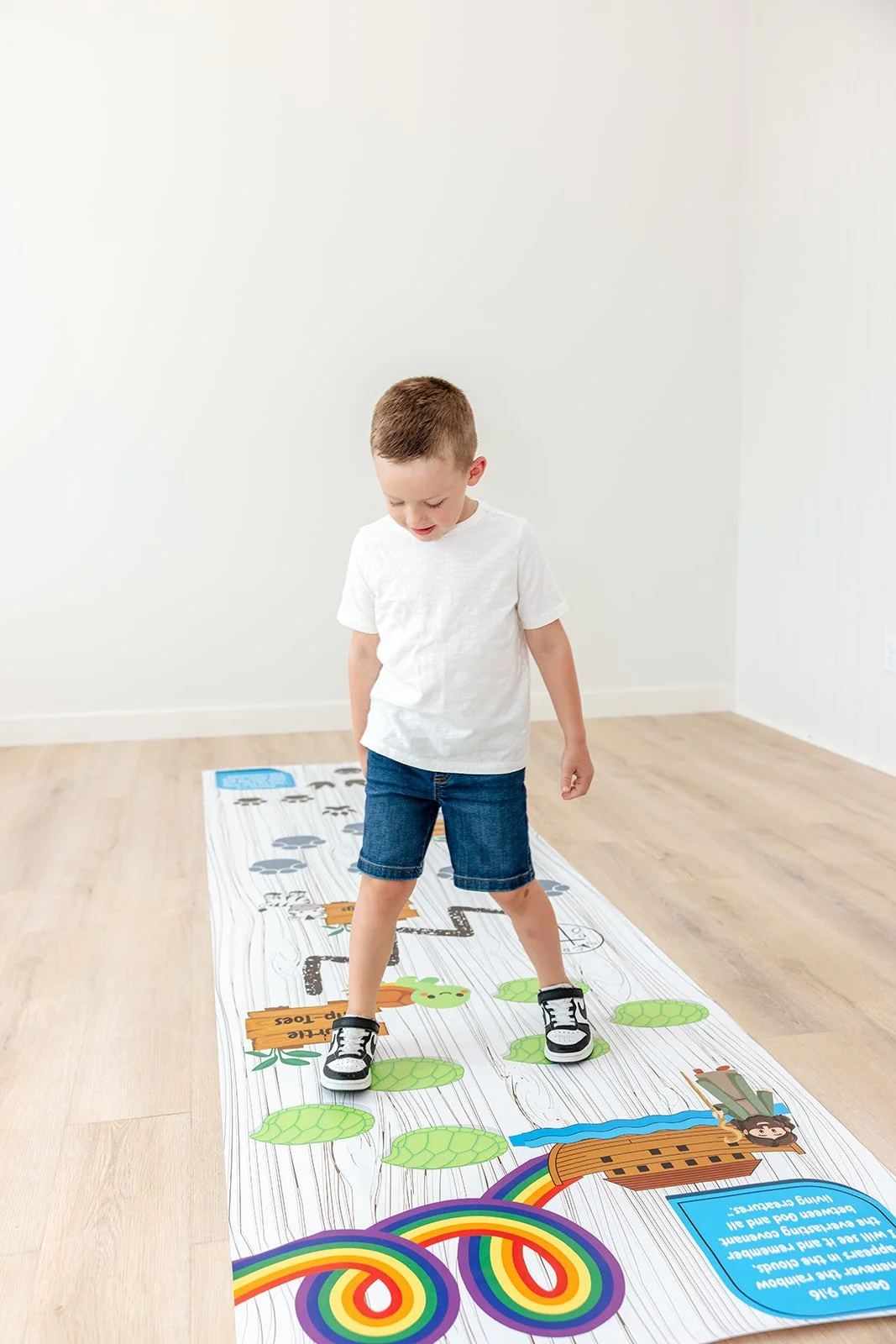
⭐ Noah's Ark
A favorite for younger learners, this engaging path combines movement with one of the Bible's most beloved stories.
Perfect for:
Preschool
Kindergarten
Early elementary
Church nurseries
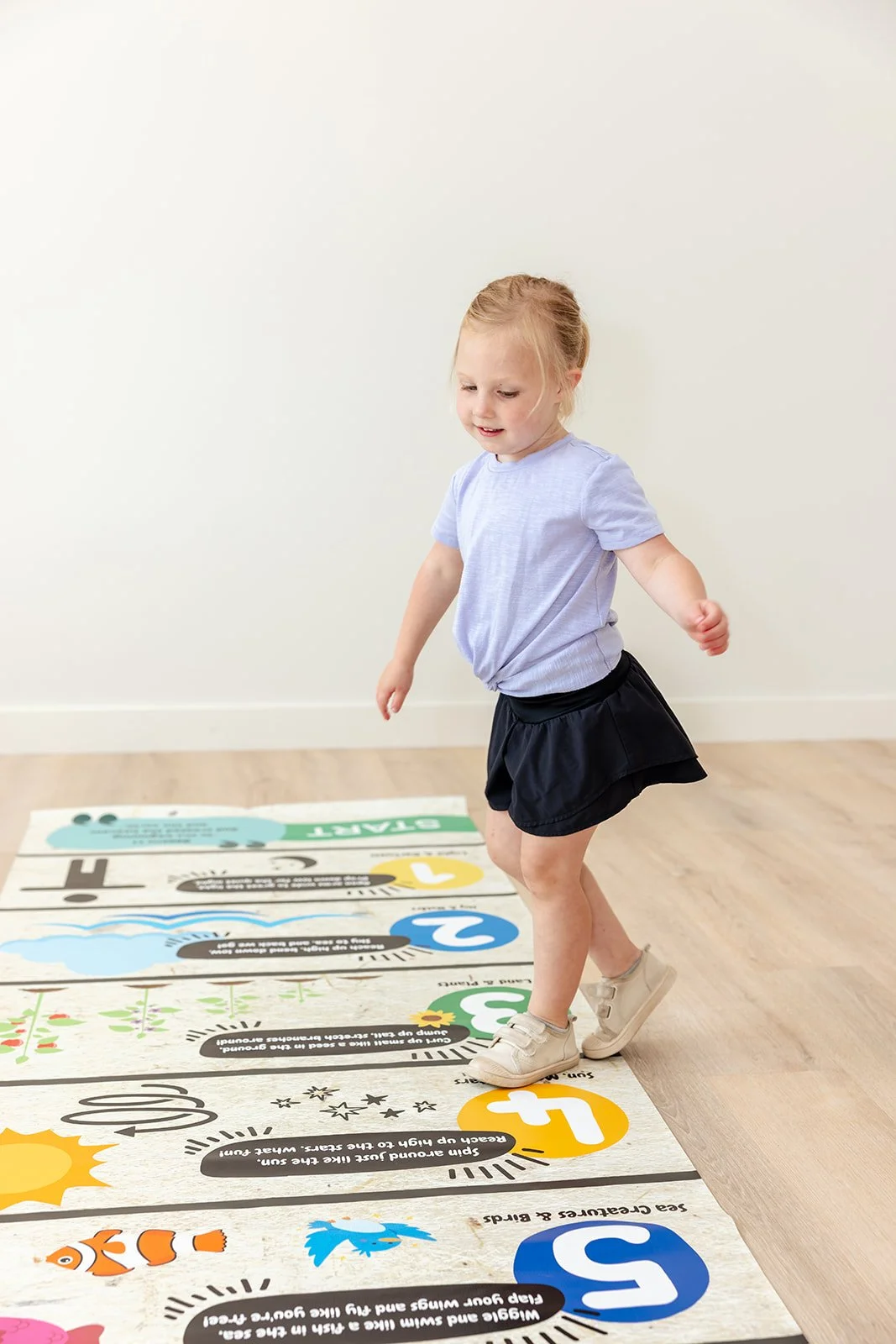
⭐ Days of Creation
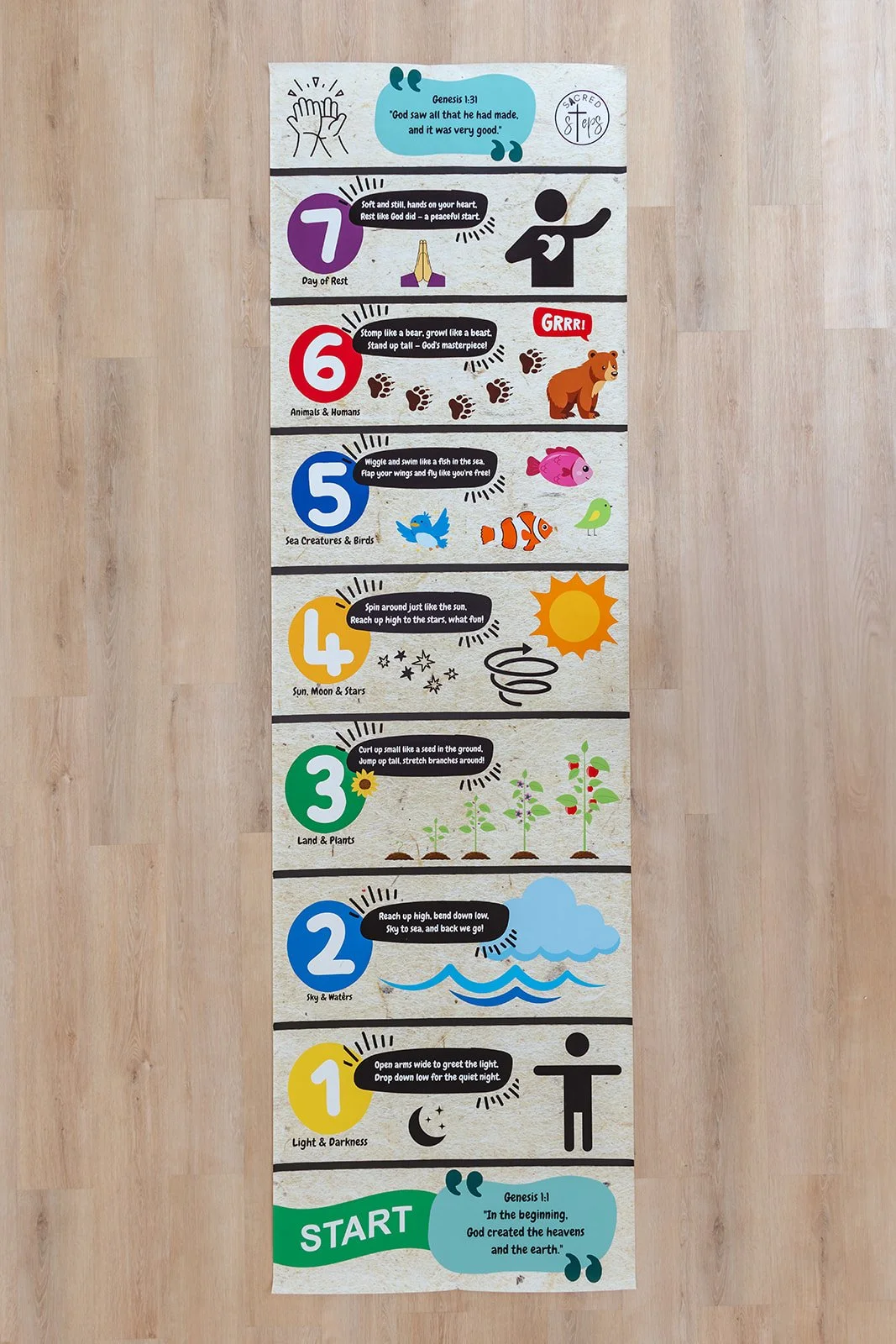
Students journey through the seven days of creation while moving, balancing, hopping, and learning Scripture.
Perfect for:
Elementary religion classes
Catholic schools
Faith formation
Vacation Bible School
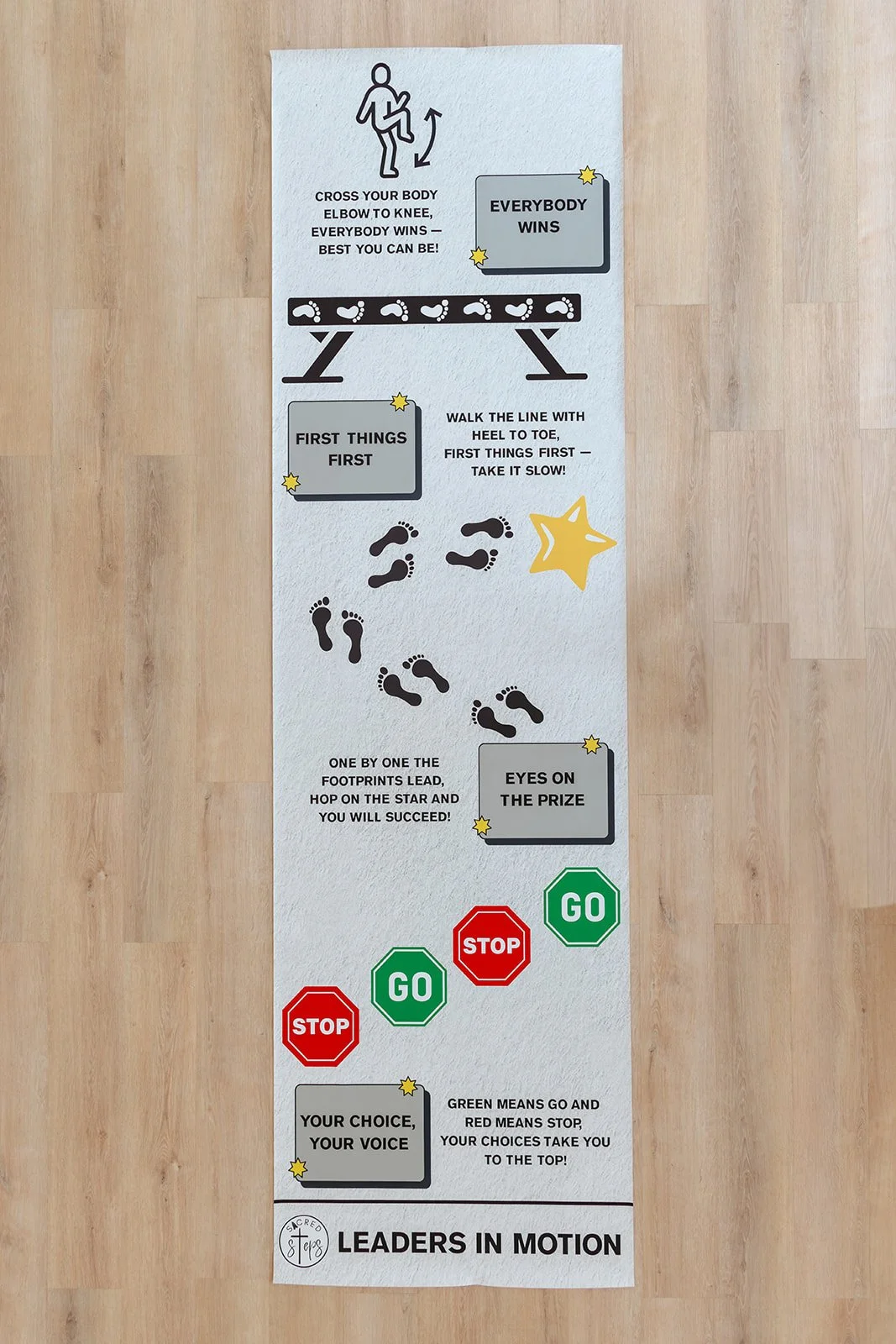
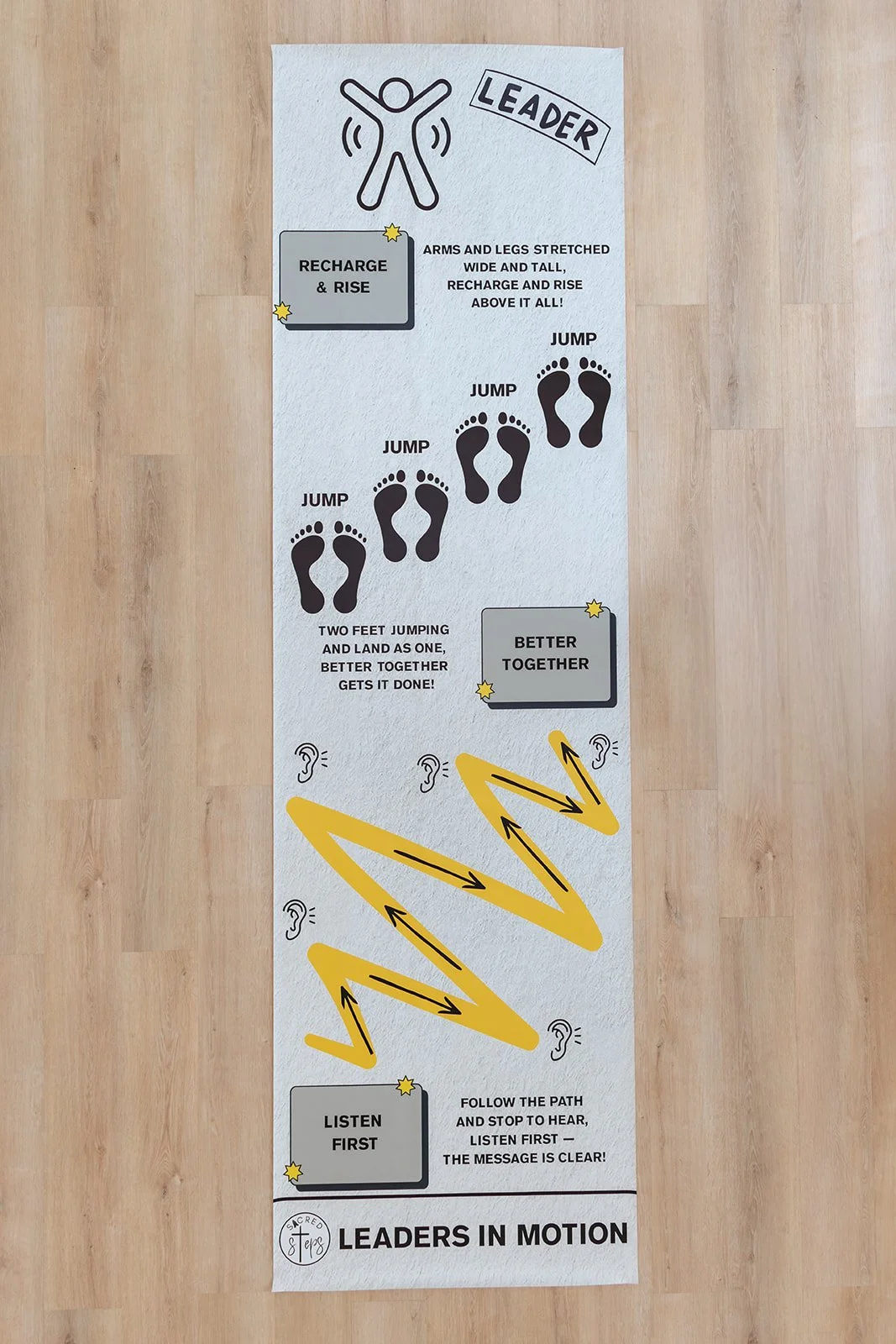
⭐ Leaders in Motion
Created to help students develop leadership skills through purposeful movement, Leaders in Motion encourages confidence, responsibility, perseverance, teamwork, self-regulation, executive functioning, and positive decision-making.
Available in two unique versions, schools can choose the path that best fits their students and school culture.
Perfect for:
Leadership initiatives
Character education
Social-emotional learning (SEL)
Executive functioning support
Student leadership programs
Elementary and middle school students
Why Schools Love Portable Paths
Portable sensory paths give schools incredible flexibility.
One resource can support:
Morning arrival
Indoor recess
Small-group instruction
Therapy sessions
Classroom brain breaks
Counseling visits
Transition times
After-school programs
Instead of students traveling to the sensory path, the sensory path comes to them.
Every portable path is professionally printed on durable 3ft x 10ft canvas, rolls up for easy storage, and can be moved from room to room in seconds.
No installation.
No commitment to one location.
Just purposeful movement wherever students need it.
Try This Tomorrow
Choose one classroom that struggles with transitions.
Before independent work, after recess, or before dismissal, spend just five minutes allowing students to complete a movement activity together.
Observe what changes.
Many teachers notice students returning to learning calmer, more organized, and better prepared to focus.
Sometimes just a few minutes of purposeful movement can completely change the tone of the classroom.
Want to Learn More?
Whether you're looking for faith-based resources like Walk With Jesus, Noah's Ark, and Days of Creation, or universal options like Steps to Success and our Leaders in Motion portable paths, Sacred Steps makes it easy to bring purposeful movement into any learning environment.
No hallway?
No problem.
Movement can happen anywhere students learn, grow, regulate, and thrive.
Browse the complete collection of portable sensory paths and discover how simple it can be to create meaningful movement opportunities throughout your school.
About the Author
Trisha Klausing, OTR/L is a practicing school-based occupational therapist with more than a decade of experience helping children succeed through purposeful movement, sensory regulation, and executive functioning supports. She is the founder of Sacred Steps Sensory Paths, creating OT-designed movement resources that are now helping students in schools across 27 states and Canada. Whether through permanent hallway installations or portable sensory paths, her mission is to help every child feel welcomed, regulated, confident, and ready to learn.